'A-Z terminology for concept art:
ABSORBENT GROUND
A chalk ground which absorbs oil and is used in oil painting to achieve a matt effect and to speed up drying.
BINDER
The nonvolatile adhesive liquid portion of a paint that attaches pigment particles and the paint film as a whole to the support.
CASEIN
A natural protein obtained from cow's milk. Produces a flat, water-resistant film.
DAMAR
A resin from conifer trees, used in making oil mediums and varnishes.
ENCAUSTIC
Literally, to burn in. A painting technique in which the binder is melted wax
FAT
A term used to describe paints which have a high oil content.
GESSO
A white ground material for preparing rigid supports for painting. made of a mixture of chalk, white pigment, and glue. Same name applied to acrylic bound chalk and pigment used on flexible supports as well as rigid.
HATCHING
A technique of modeling, indicating tone and suggesting light and shade in drawing or tempera panting, using closely set parallel line.
IMPASTO
A style of painting characterized by thick, juicy color application.
KEY
Used to describe the prevailing tone of a painting. A predominantly light painting is said to have a high key. In contemporary mural painting, the key is the result of scratching a walls surface to prepare for final layer of plaster - similar to "tooth"
LAKE
A dye that has been chemically or electrically attached to a particle and does not bleed or migrate.
MATIERE
Paint.
PATINA
Originally the green brown encrustation on bronze, this now includes the natural effects of age or exposure on a surface.
REFRACTION
The bending of light from one course in one medium to a different course through another medium of different refractive index.
SCUMBLING
The technique of applying a thin, semi-opaque or translucent coating of paint over a previously painted surface to alter the color or appearance of the surface without totally obscuring it.
TINT
Term for a color lightened with white. Also, in a mixture of colors, the tint is the dominant color.
VALUE
The relative lightness or darkness of a hue. Black is low value. White is a high value.
WATER TENSION BREAKER
Substance added to water or to water-based paints in order to reduce surface tension. eg. Ox Gall.
XYLOGRAPHY
Rarely used term for woodblock printing. Also the mechanical reproduction of wood grain for decorative purposes.
YELLOWING
This effect on oil paintings is usually caused by one of three reasons: excessive use of linseed oil medium; applying any of the varnishes that are prone to yellow with age; or most often - an accumulation of dirt embedded into the varnish.
ZOOMORPHIC
Describes the forms of works of art and ornaments based on animal shapes.
a-z from conceptart.org///'
Personal note: I found this very interesting, it will help a lot with my work with these new techniques i have learned. I will notice the different terminologies a lot more now when watching other concept artists at work.
Tuesday, 20 September 2011

Concept art - Unique method
In my opinion this is a very interesting method to creating concept art. At first he puts a random 'doodley' type sketch to create a unique shape for the model to be based upon. Then goes into more depth outlining it and adding detail. He also uses his past mistakes to create more in-depth detailing which is a very interesting method of creating. The highlights on the final piece really brings it to life adding definition to all the parts of the models body, which also amplifies the shadow creating a very dramatic effect.
Jack Eaves - Concept Artist

Raccolo - Jack Eaves
I find this is a very good example of the process of which most concept artists go through creating a new character model. As you can see the artist 'Jack Eaves' Creates multiple concepts for certain parts of the character in question. Starting off with a very simple design then expanding on the image to create a more interesting model. Then finally creating the final image.
Jack Eaves is 19 years old and studying for a Design for Games degree at Plymouth college. He already has work as a freelance, concept artist for deVoid Studios. Which is very good for such a young age to be involved in a decent design company.
Monday, 12 September 2011
Battlefield 3
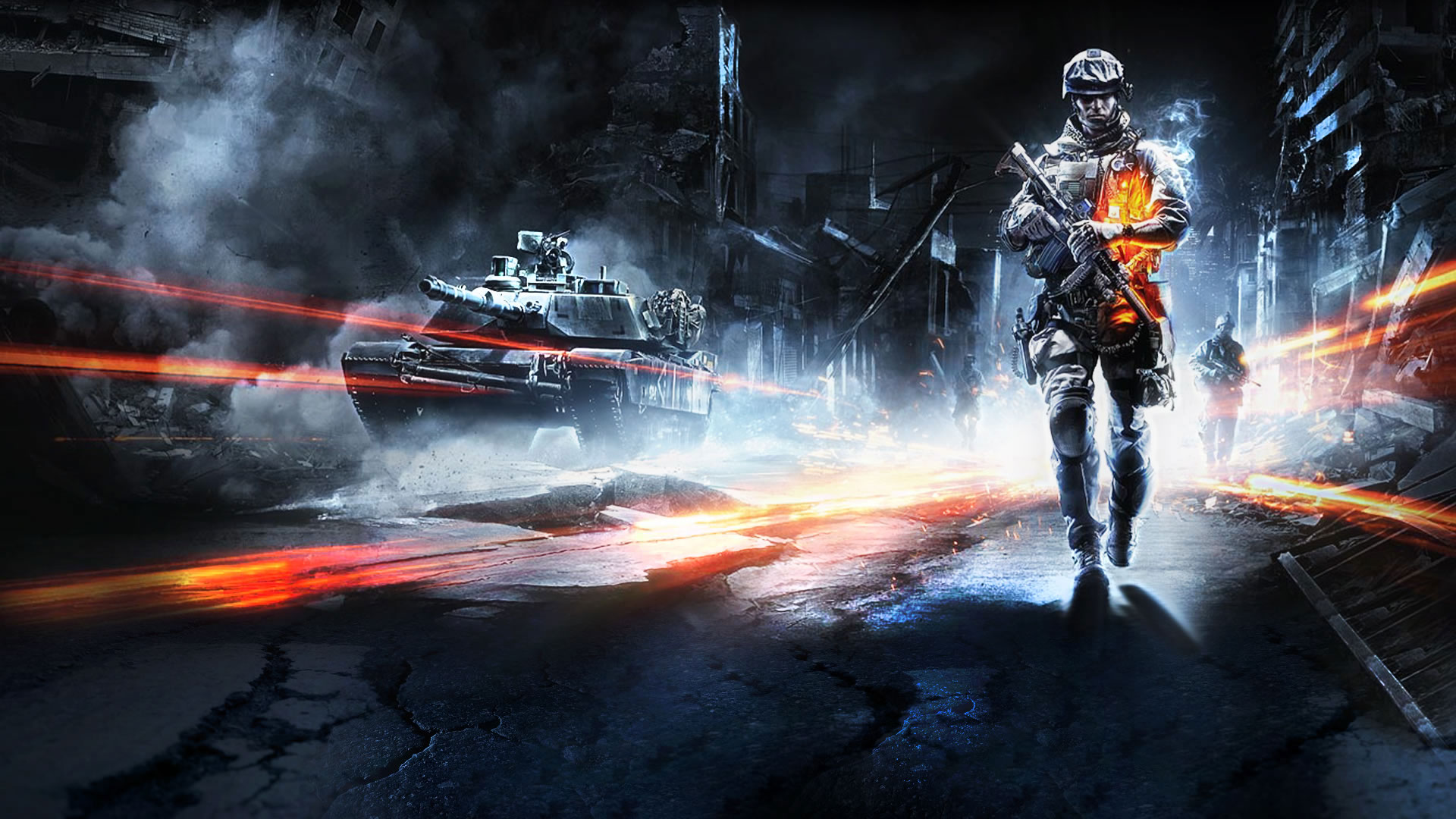
I find this piece very compelling, it uses very vivid colours on a black and white background to draw attention to the main subject, which is the soldier in the center of the screen. It has a very dramatic nature to it and advertises the game very well.
Gears Of War 3- Concept art.


'Gear of War 3' Concept art
I find these peices very interesting and detailed. They really give a dramatic effect for the viewer and they define the game very well. I expect detailed concepts like this are very inspiring to the designers of the game to continue with their work.
Tuesday, 6 September 2011
Artist example (Fredric St Arnaud-starno).

'Waterfall Caste' by Fredric St-Arnaud
'Frederic St-Arnaud (aka starno) is a visual effect artist with 12 years of experience, focusing on high-end photo-realistic digital matte painting (also known as matte art or digimatte), set extension and concept art in the film industry.
St-Arnaud has contributed to more than 25 feature films, dozens of commercials for television and a few TV series. His film credits include Indiana Jones and the Kingdom of the Crystal Skull, The Day the Earth Stood Still, Death Race, Babel, Silent Hill, Sin City, Sky captain and the world of tomorrow, Once upon a time in Mexico, Spy kids 2 & 3, The Golden Compass which won the best visual effects Academy Awards in 2008 and more.' -Deviantart
Personal note:
I find this artists work very detailed and inspirational. His use of detail is very dramatic and he uses light and shading very well to make the image look very realistic and compelling.
Even though we are mainly looking at game-concepts i still felt this was an important find for me as it is inspiring.
The basics of creating a piece of concept art
I have researched the topic and have discovered the main stages of creating a high standard piece of work.
Professionals use a system where they do the following according to their prefrences.
1. A quick sketch it essential for good planning and inspiration. Sketching around 2-3 ideas on one piece of paper.
2. Shading and refining the sketches is crucial so that you can see the potential of the piece if you wish to continue using one of them.
3. Choosing-one piece may be a tough choice but with the correct thought of how you will advance with the piece you should be able to decide.
4. 3-D modelling the piece. Now that you have your idea refined you should 3-D model the design.
5. Refining the 3-D model with high attention to detail in some peoples case. Done.
Using these steps i feel i can create a decent concept art of a selected genre.
-Nick
Professionals use a system where they do the following according to their prefrences.
1. A quick sketch it essential for good planning and inspiration. Sketching around 2-3 ideas on one piece of paper.
2. Shading and refining the sketches is crucial so that you can see the potential of the piece if you wish to continue using one of them.
3. Choosing-one piece may be a tough choice but with the correct thought of how you will advance with the piece you should be able to decide.
4. 3-D modelling the piece. Now that you have your idea refined you should 3-D model the design.
5. Refining the 3-D model with high attention to detail in some peoples case. Done.
Using these steps i feel i can create a decent concept art of a selected genre.
-Nick
Subscribe to:
Comments (Atom)